Inheriting a postcard collection usually starts with a box and a smell. Somebody's aunt kept every card she was ever sent, bundled with rubber bands that have since gone sticky, and now the whole lot sits on your kitchen table. The instinct is either to bin it or to assume it must be worth a fortune. Both are usually wrong. What follows is the order I would work in: sort first, identify second, judge condition third, and only then think about money.
Start With Sorting, Not Valuing
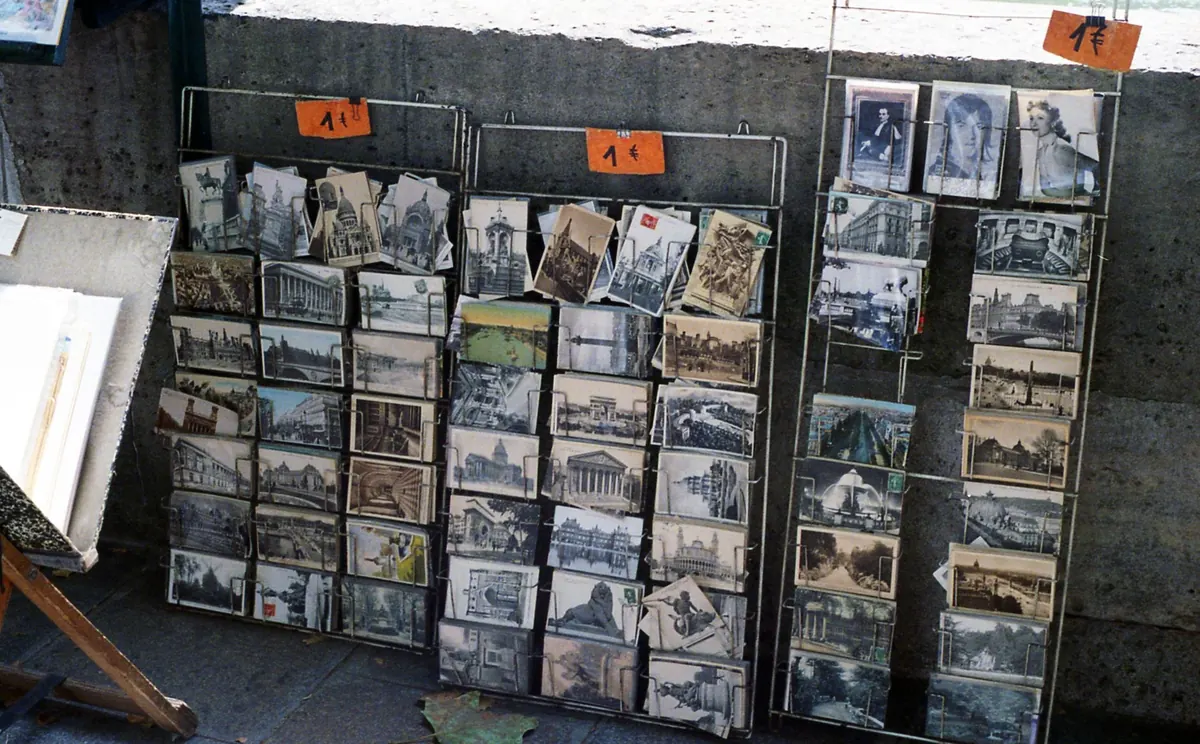
Resist the urge to look up individual cards while the box is still full. You will spend an hour on one card and lose the thread of the collection. Instead, work in batches of a hundred or so and divide by type: topographical views, greetings and humorous cards, subjects such as ships, railways or animals, real photographic cards, advertising and novelty items, and finally the modern, glossy cards from the last few decades.
Keep any grouping the original owner made. People who collected for years organised by theme, by town, or by the sender, and those groupings tell you where the value sits. A shoebox of cards from one seaside town is worth more to the right buyer than the same number scattered across twenty counties.
Handle everything gently and put the rubber bands in the bin, where they belong. If you have acid-free sleeves, use them; otherwise a clean, dry shoebox is better than a damp loft. Photograph the box as you found it before you disturb anything, and note down anything the family knows about who collected it and when.
Identify What You Are Actually Holding
Four pieces of information do most of the work: the place or subject, the publisher, the printing method, and the date. Publisher names are normally printed along the edge of the image or on the back, sometimes in tiny type. Names such as Raphael Tuck, Valentine, Bamforth and Curt Teich appear often enough that you will learn to recognise them quickly, and a serial number alongside a publisher's name is a good sign that the card belongs to a documented series.
Real photographic cards deserve a closer look. These are actual prints made from a negative, often by a local photographer, and they can be genuinely scarce. They are usually matt rather than glossy, with detail that looks photographic rather than drawn. Dating is easier than it seems: undivided backs point to the early years of the twentieth century, divided backs to later, and a legible postmark gives you a firm date before which the card must have existed.
Write a one-line note for each pile as you go. "Whitby, real photo, posted 1911, publisher's name illegible" is enough, and it will save you from re-examining the same cards three times.
The Evaluation Checklist
Once the piles exist, run each one against the same questions. Most cards will fail several of them and that is fine; you are looking for the exceptions.
- Local demand. Is there a collector base for this town, county or subject? Small, well-documented places often do better than famous ones.
- Publisher and series. Are the cards from a known series, and is the set complete or nearly so?
- Artist signature. Signed illustration work, especially from the golden age of postcard art, attracts specialist buyers.
- Subject matter. Military camps, transport, advertising, street scenes, trades and social history all travel well beyond local collectors.
- Disappeared places. Views of buildings since demolished, or streets before redevelopment, are consistently sought after.
- Unusual formats. Hold-to-light cards, silk, embossed, shaped and mechanical novelties sit in their own market.
- Postal interest. Clear postmarks, unusual stamps or cards posted from places with a story add a second layer of appeal.
- Provenance. Dated inscriptions, dealer pencil marks and albums kept together since the era all count in a card's favour.
Condition: Where Value Quietly Disappears
Two copies of the same card can differ by a factor of ten on condition alone, and buyers are unforgiving. Tilt each card towards a lamp before judging it.
Edges, corners and surface
Look for softened corners, missing tips and creases, which show up as a faint line when the light catches the surface. Check for foxing, the small brown spots that appear on old paper, and for scuffing across the image. On older photographic cards, watch for silvering, a mirrored sheen in the dark areas that means the emulsion has begun to break down.
The back, and the temptation to tidy
Album paper stuck to the reverse, old tape, glue residue and heavy writing all reduce appeal, though a light inscription can add charm and dating evidence. Do not try to remove tape or erase pencil. Trimming is the worst offence: run a straight edge along the borders, and if the margins look suspiciously even and narrow, assume the card has been cut down, which puts it in a different and much cheaper category. Do not iron out creases or bleach stains either.
Describe faults plainly when you sell. Optimistic descriptions generate returns, and returns cost you both time and goodwill.
Choosing Where to Sell
There is no single best route, only the route that matches the collection and the effort you want to spend.
- A dealer buying outright is fast and private, but the offer will be a wholesale figure that leaves room for resale.
- A specialist postcard auction suits larger or better collections and can reach buyers you would never find yourself, at the cost of commission and a wait.
- General online marketplaces work for individual star cards and for thematic lots, but each listing is work, and postage, packing and disputes are on you.
- Postcard fairs and stamp fairs put you in a room with the right people. Take a small selection, not the whole box.
- Local history societies and archives are the right home for cards that document a place but have little commercial value. Ask about donation and any tax treatment before you decide.
Selling Responsible Cards Responsibly
Two things are easy to overlook. First, privacy: old cards carry names, addresses and sometimes intimate messages. If you photograph the reverse for a listing, consider blocking out the address. Second, family: offer the collection to relatives who might want it before it goes to strangers, and if a card names a person the family still knows, mention it rather than quietly selling it on. If a collection turns out to be substantial, take advice from an accountant on how the proceeds are treated where you live; the rules vary and this is not something to guess at.
A First Weekend Plan
- Clear a table, gather sleeves or clean boxes, and photograph the collection as found.
- Sort by type and by place, keeping original groupings and writing a label for each pile.
- Pull out anything photographic, unusual in format, artist-signed, or showing a place that has changed.
- Check those cards against the checklist and grade condition honestly, noting faults in writing.
- Set aside the ordinary cards for bulk sale or donation, and get two opinions on the best pile before committing.
Do that, and the box on your kitchen table stops being an obligation and becomes something you can handle in an afternoon, with a clear conscience about where the rest of it ends up.
Photo: image4you / Pixabay